I’ve been all-digital since the PS3 days. So let me say this up front: Sony killing the disc doesn’t affect me at all. If you’re waiting for me to mourn the disc, you’ll wait forever.
And let’s be honest with each other — we all saw this coming. Developers and publishers have been pushing for an all-digital future for a long time. The writing has been on the wall for years. It’s not fair to start complaining now about a transition everyone knew was coming. People are upset because it’s finally happening, not because it was a surprise.
But here’s where I need to pump the brakes on my own side. Predictable is not the same as fair. Seeing something coming doesn’t mean you accept whatever terms show up with it. The disc cutoff itself? Fair. The terms we’re left with after it? That’s the actual fight — and it’s a fight worth having.
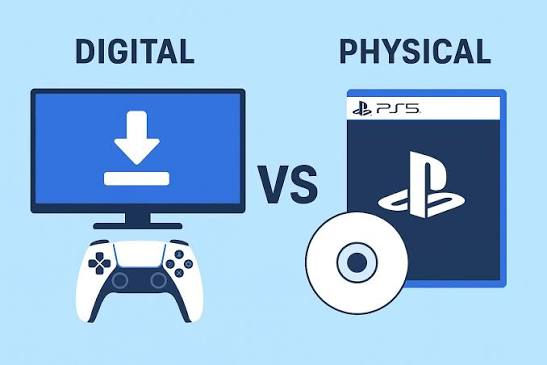
Because the fight was never really disc versus digital. The disc is a key now. In most cases, you put a disc in the system and it triggers a download of a digital version of the game. After that, the disc just acts as the license key that lets you keep playing. Most players don’t realize that’s what’s happening. That’s not an insult — it’s just the truth. The confusion benefits the seller, because people think they’re buying a self-contained game on a disc when they’re really buying a key to a download.
Once you see that, the whole debate changes. The fight isn’t about plastic. It’s about the key’s terms: what it unlocks, how long it unlocks it, and whether you can hand it to someone else. That’s where I plant my flag. Three things are non-negotiable, no matter how much notice Sony gives.
First: transfer choice. The solution is a resell option built on the same idea as Xbox’s disc-to-digital system. Let me transfer the license to someone else. Once they redeem it, it leaves my library and enters theirs. One copy, no duplication. That kills the publisher’s only real objection — nobody’s pirating anything, because the copy ownership moves.
But the gamer has to choose: sell it or transfer it for free. If Sony takes a percentage of a resale, that’s better than nothing — but it can’t be the only option. If they force every transfer through their marketplace and take a cut of each one, that’s Ticketmaster. Ticketmaster sells you a concert ticket, you can’t go, you list it for resale at the exact price you paid, and you don’t get all your money back, just a percentage cause Ticketmaster took their cut of the resale— because they made money on the first sale and the resale. Double dipping. A transfer right without a free option is a hollow win.
Second: single-player games should never have to be online-enabled. A single-player game should run forever on the console. Single-player progression should never be hindered.
Look at NBA 2K25, because it proves the point. The servers lasted about 28 months — past the two-year line I’d set for annual sports games. So the timing was fine. The offense was that MyCareer, a single-player mode, dies with the servers. The shutdown date wasn’t the crime. Killing single-player progression was.
Third: multiplayer shutdowns are fine when a game costs more than it makes. Servers cost money, and if a game is losing money, it only makes business sense to shut them down. But the time before they shut it down is the key. Sports games: servers stay up at least two years after launch. And the notice has to be long and actionable — not just a date on a press release, but real time to finish what you’re doing.
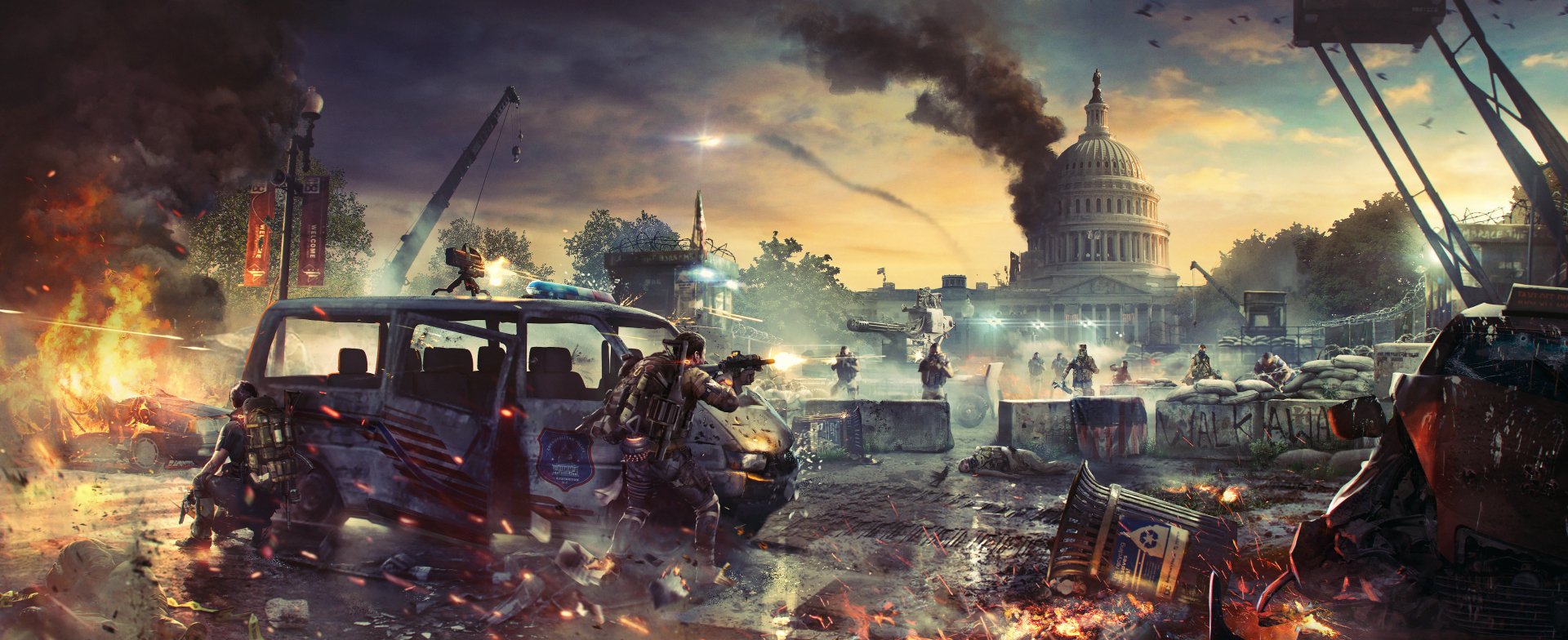
Take a game I love: The Division 2. It’s coming up on seven years since launch. It’s online-only. I have over 3,000 hours in it. When would it be okay for them to shut the servers off? If they shut them down tomorrow, would I be upset? Hell yeah. But on the flip side, I’ve had seven years with the game. I got my money’s worth. A minimum window plus a long notice would be acceptable — at least in my eyes.
Now, Sony announced the disc cutoff on July 1, 2026, and it doesn’t take effect until January 2028. Can’t that be considered long notice? Fair question — I asked it myself during this debate. And here’s the distinction: notice comes in two kinds. A server shutdown notice is actionable. You hear Division 2 is sunsetting in 12 months, you finish your goals, you say goodbye. Sony’s notice is only informational. It tells you the disc option ends — but you can’t do anything with that information for future games. You can’t pre-buy games that don’t exist yet. Notice answers “when,” not “whether.” And the disc question is a “whether” question: should players keep the option at all? Eighteen months’ notice doesn’t answer that.
So where does that leave the Power to the Players Act? Directionally, I back its core. But the bill has a real problem: it doesn’t define “transfer.” And that could be a major problem. The bill tells the FTC to write the rules, which means the definition comes later, in rulemaking — exactly where industry lobbying is strongest and the public pays the least attention. If the FTC defines transfer as “through the platform’s marketplace, fees permitted,” you get Ticketmaster. If it defines it as gamer’s choice, free peer-to-peer included, you get my version. The vagueness isn’t a drafting gap. It’s where the whole fight moves.
I also want to be straight about the license argument, because I’ve heard it and I’ve made it. We’ve never owned games. Since the dawn of video games, we’ve bought a license to play, never the game itself. If it wasn’t that way, a company couldn’t sell more than one copy — once they sold it to you, they wouldn’t own it anymore. That’s true as far as the IP goes. But it confuses owning the work with owning your copy of it. You never owned the game itself. You owned your copy — and for forty years, that copy came with resale, lending, and permanence. Digital didn’t change who owns the IP. It changed who owns the copy.
And yes, the EULA was there. Not reading it doesn’t make it unenforceable — you accept those terms when you make the purchase. But let’s be real: it’s a forced acceptance. The only way to play a game you paid $70 for is to accept terms you can’t negotiate. If acceptance is forced, “you agreed” is pretty thin. That’s not a contract dispute anymore. It’s a policy question.
So here’s where I land. Stop fighting to save the disc. The disc was a key, and the key’s terms are what matter. Digital is fine. The transition was fair. But transfer choice, offline single-player, and minimum server windows with real notice are non-negotiable — no matter how much warning Sony gives. That’s the stance. That’s what I’d sign.
Follow Proven Gamer: X | Facebook | Twitch | YouTube | Patreon | TikTok
Quick Facts
- Tricky’s stance: digital is fine; the disc cutoff was telegraphed and fair.
- Non-negotiables: transfer choice (sell or free transfer), single-player offline forever, multiplayer shutdowns only with a minimum window plus long, actionable notice.
- Key distinction: owning the IP vs. owning your copy — digital changed who owns the copy, not the IP.
- The Power to the Players Act’s “transfer” is undefined; the definition will come from FTC rulemaking.
FAQ
Is Tricky against digital games?
No. He’s been all-digital since the PS3 days. His argument is about fair terms in a digital future, not saving the disc.
What does “transfer choice” mean?
The gamer decides: sell the license or transfer it for free. A platform cut on resales is better than nothing, but there must be a free transfer option — no forced marketplace.
Why is NBA 2K25 still a problem if its servers lasted 28 months?
The timing was fine. The problem was MyCareer, a single-player mode, dying with the servers. Single-player progression should never be hindered.
Does the Power to the Players Act fix this?
Directionally, yes on transfer — but “transfer” is undefined in the announcement, and the definition will come from FTC rulemaking. That’s where the fight moves.

More Stories
Congress Just Declared War on Digital-Only Gaming — “If You Pay For It, You Own It”
FREE Zombie Expansion Just Dropped — Quarantine Zone Takes You to Miami (And It’s Pure Chaos)
Gloomhaven’s Successor Just Hit 1.0 — Frosthaven Is OUT NOW on PC (30% Off at Launch)