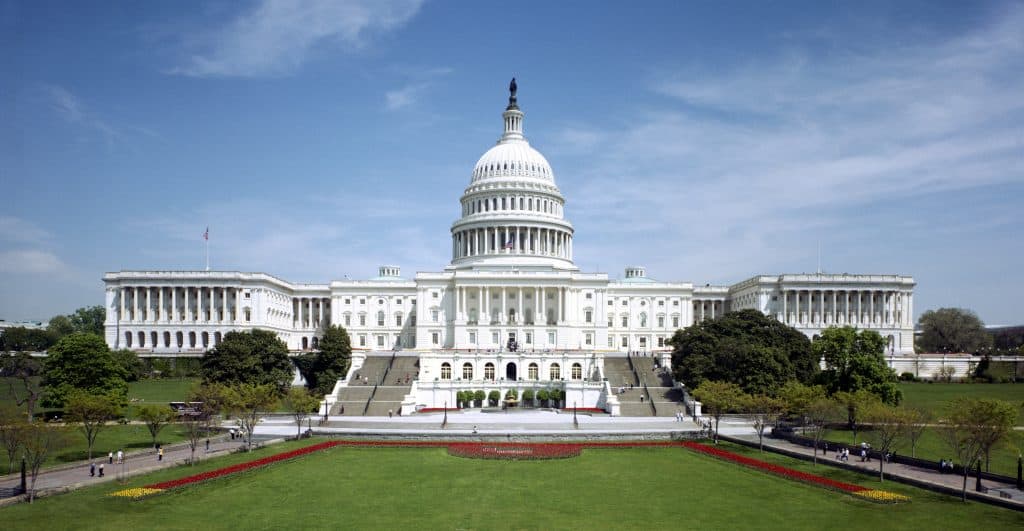
For years, the fight over digital game ownership lived in comment sections, forums, and angry tweets. On October 15, it walked into Congress.
Rep. Ritchie Torres, a Democrat representing New York’s 15th district, announced he will introduce the Power to the Players Act — a bill that would force the Federal Trade Commission to write rules treating a paid digital video game as a purchase you actually own, not a license a publisher can revoke whenever it feels like it. If it becomes law, buying a game would come with three rights Torres named directly: the right to own it, the right to play it, and the right to transfer it.
That last one is the bombshell. Transfer means resell. It means the thing you could do with every cartridge from the Atari 2600 through the Wii — hand a game to a friend, trade it in, sell it used — would come back for digital games. Publishers have spent fifteen years building a world where that is impossible. This bill says that world is the problem.

Here is what the bill would actually do, based on Torres’s announcement. First, it would direct the FTC to treat paid digital games as purchases, not revocable licenses. Second, it would require online games to provide a functional offline mode before their servers shut down, so a publisher pulling the plug cannot brick a game you paid for. It does not require servers to stay online forever — it requires the game to survive after they go dark. Third, it would protect the right to transfer or resell the games you buy.
One important reality check: this is an announcement, not a law. Torres said he will introduce the bill. It still has to be formally introduced, survive committee review, and win votes in both chambers before anything changes. Most bills never make it that far. But even as an announcement, this one matters, because it is the first concrete federal response to a frustration that has been building for years — and it landed at the exact moment the industry is going all-in on digital.
Why now? Look at the calendar. Sony ends production of new PS5 discs in January 2028. The biggest game of the decade, Grand Theft Auto VI, launches November 19 at $80 — and its ‘physical’ edition is a download code in a box, not a disc. Rockstar confirmed there will be no disc version at launch. Two retailers, Video Games Plus in Canada and Loot Box Gaming in Delaware, have already refused to stock the code-in-box edition, saying it contradicts the entire point of physical media. The industry’s direction is unmistakable: the disc is being phased out, and the replacement is a license that lives or dies by the publisher’s servers.
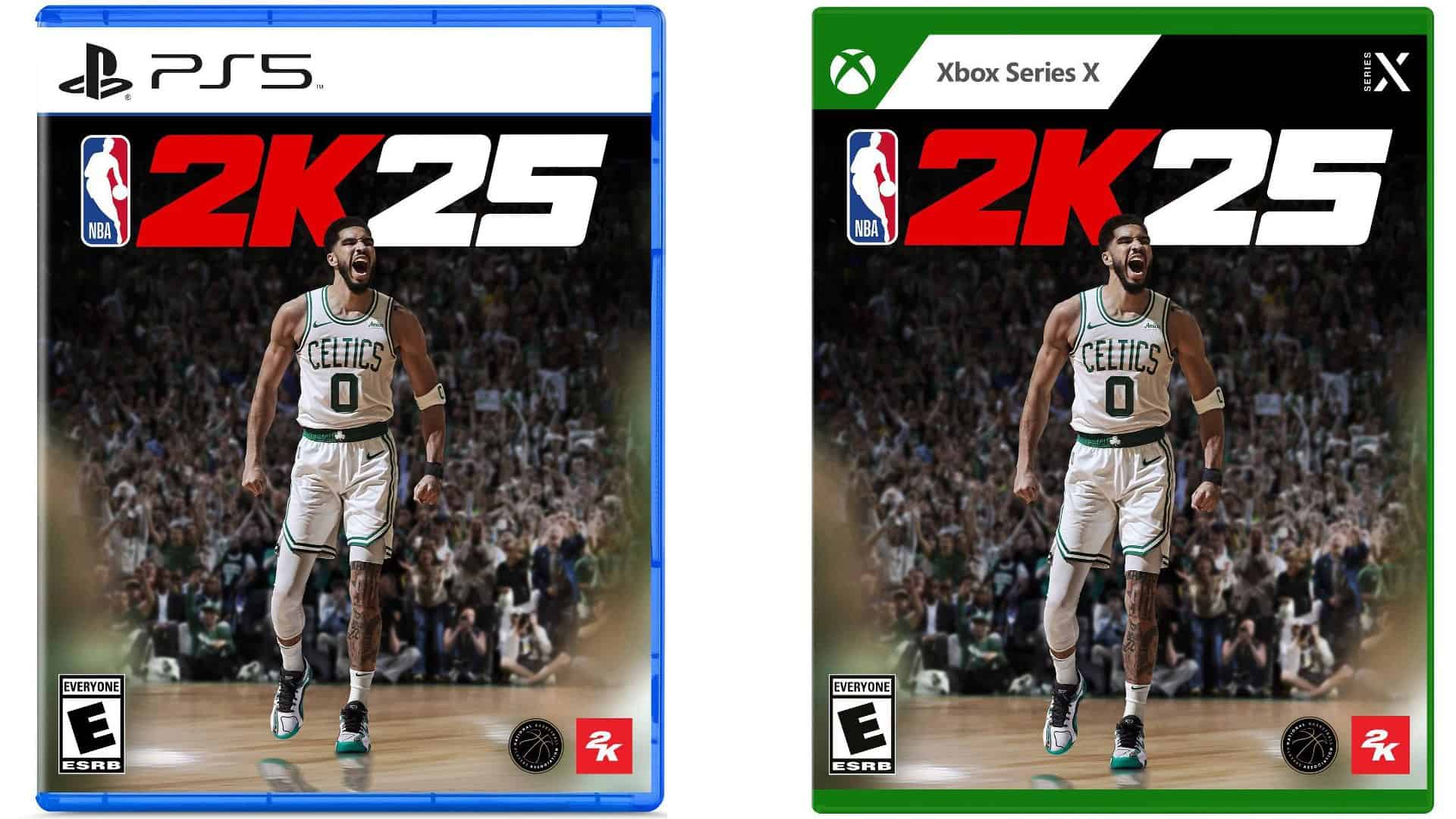
That is where NBA 2K25 comes in — the test case Torres put at the center of his announcement. The game launched in September 2024 at $70. On October 30, 2026, 2K pulls it from digital storefronts. On December 31, its servers shut down. And on January 1, 2027, the game’s most-played modes — MyCareer and MyTeam — stop working entirely, because both depend on Virtual Currency that only exists on 2K’s servers. Play Now, MyNBA, The W, and MyWNBA will keep working offline. But the mode where most players spent their time, built their characters, and poured in hours? Gone, two years after launch, in a game people paid full price for.
Torres’s line about it is the one that will be quoted everywhere: “A game that can be taken away the moment a company pulls the plug is not a purchase. It is a rental disguised as a sale.”
This is not a new complaint. The Stop Killing Games movement has spent the summer turning server shutdowns and delistings into a mainstream issue. In June, the European Commission declined to force publishers to keep discontinued games playable, choosing industry talks on clearer labeling instead. An earlier American effort, the Protect Our Games Act, was rejected. Torres’s bill is the first time the US federal government has picked up the issue with a concrete proposal — and notably, it is gaming-specific. Torres told Kotaku he hopes to ‘set a precedent that will be followed elsewhere,’ leaving music and movie libraries out of this bill’s scope for now.
So what would this actually mean for PlayStation owners if it passed? Start with the library you already have. Every digital PS5 game you bought would be a purchase with transfer rights, not a license. The used-game market — the GameStop trade-in, the friend-to-friend sale, the eBay listing — would have a legal path back into digital. Games with online modes would have to ship with a real offline fallback, so a server shutdown would mean losing multiplayer, not losing the whole game. For trophy hunters, that last part matters more than it sounds: right now, a server shutdown can take entire trophy lists with it, turning platinums into impossibilities overnight. An offline-mode requirement would not save every trophy, but it would save the games themselves.
Now the honest counterpoint, because this bill is not a magic wand. Publishers would not simply accept it. The most likely responses are the ones critics are already predicting: higher prices, online modes killed faster to avoid the offline-mode obligation, or new loopholes written into terms of service. A bill can say ‘you own it,’ but enforcement — the FTC writing rules, courts interpreting them, publishers testing the edges — is where the real fight would happen. And none of it happens at all unless the bill survives Congress, which is a long road for any legislation, let alone one that takes on one of the biggest entertainment industries on earth.
Still, the timing is what makes this hard to ignore. Sony’s disc deadline, GTA 6’s empty box, NBA 2K25’s expiration date, and now a member of Congress saying the quiet part out loud — these are not separate stories. They are the same story: the industry moving to a model where you pay full price and own nothing, and the people paying for it starting to push back. Whether the Power to the Players Act becomes law or dies in committee, it has already changed the conversation. The question is no longer whether gamers are angry about losing ownership. It is whether anyone with the power to do something about it will act.
Where do you stand? If this bill passed, would it save game ownership — or would publishers just find another way? Let us know.
Follow Proven Gamer: X | Facebook | Twitch | YouTube | Patreon | TikTok


More Stories
FREE Zombie Expansion Just Dropped — Quarantine Zone Takes You to Miami (And It’s Pure Chaos)
Gloomhaven’s Successor Just Hit 1.0 — Frosthaven Is OUT NOW on PC (30% Off at Launch)
This $4 Wordless Game Will Make You Cry — A Bird Story Is Out NOW on PlayStation, Switch & Xbox